







Sources and hazards of several common air pollutants
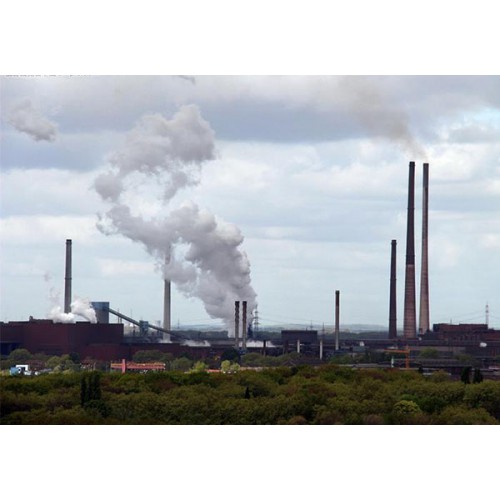
Air pollution refers to the phenomenon where the concentration of harmful substances in the atmosphere is too high, causing harm to human and animal health. Atmospheric pollutants include many gases, particulate matter and chemicals, some of which have fatal effects on people's health. This article will introduce the sources and hazards of several common atmospheric pollutants.
Carbon dioxide
Carbon dioxide is a common atmospheric pollutant that comes primarily from the burning of fossil fuels. For example, cars, factories and burning coal all release large amounts of carbon dioxide. Long-term exposure to air with high carbon dioxide concentrations can lead to health problems such as suffocation, fatigue, cognitive decline and cardiovascular disease. In addition, carbon dioxide may also contribute to problems such as land desertification and climate change.
Nitrogen oxides
Nitrogen oxide is a common atmospheric pollutant, mainly coming from vehicle exhaust emissions, industrial waste gas and burning coal. Nitrogen oxides can cause symptoms such as headaches, dizziness, eye pain and respiratory pain, and long-term exposure can also have fatal health effects. The emission of nitrogen oxides will also increase the concentration of air particulate matter, causing serious impact on air quality.
Hydrocarbons
Hydrocarbons are common atmospheric pollutants, mainly from the burning of coal, oil and natural gas. Hydrocarbons can cause symptoms such as shortness of breath, coughing, chest pain and dizziness, and long-term exposure can have fatal health effects. In addition, hydrocarbon emissions can lead to increased concentrations of air particulate matter, seriously affecting air quality.
Sulfur dioxide
Sulfur dioxide is a common atmospheric pollutant, mainly from burning fossil fuels and industrial waste gases. Sulfur dioxide can cause breathing difficulties, coughing, eye pain and skin irritation, among other symptoms, and long-term exposure can also have fatal health effects. In addition, the emission of sulfur dioxide will also increase the concentration of air particulate matter, causing serious impact on air quality.
Photochemical smog
Photochemical smog is a common atmospheric pollutant, mainly coming from burning fossil fuels and industrial waste gases. Photochemical smog contains chemicals that can cause eye pain, coughing, asthma and respiratory problems, and can have fatal health effects over long-term exposure. In addition, the emission of photochemical smog will also increase the concentration of air particulate matter, causing serious impact on air quality.
The harm caused by air pollution to human health is very serious. In addition to the above-mentioned common atmospheric pollutants, other pollutants such as carbon monoxide, nitrogen oxides, hydrocarbons and photochemical smog can also cause harm to human health. Therefore, we must take effective measures to reduce the emissions of these pollutants, improve air quality, and protect people's health.
-450x320.jpg)
Methane gas sensor application scenarios
Methane gas sensor is a sensor that can detect and measure methane concentration. It is widely used in gas monitoring, industrial automation, security monitoring and other fields.
-450x320.jpg)
Determination method of PM2.5 in ambient air
With the acceleration of urbanization and the rapid development of industrialization, environmental pollution problems have become increasingly prominent.

Principle of electrochemical oxygen sensor
An electrochemical oxygen sensor is a sensor that uses electrochemical reactions to detect oxygen content in the air.
-450x320.jpg)
Several commonly used oxygen sensors
What is an oxygen sensor? How does an oxygen sensor work? While there are many types of oxygen sensors, the way they work to measure oxygen can be classified into one of three ways:
-450x320.jpg)
Industrial oxygen sensor development
Industrial oxygen sensors are indispensable equipment in industrial production and are widely used in metallurgy, chemical industry, electric power, aerospace and other fields.